把十一年的遺憾,變成下一次的可能
From a Fellow Firefighter Lost to a Door That Has Opened
一名外勤隊員推動 Cyanokit(Hydroxocobalamin)到院前配置的故事。從多年前同袍殉職的遺憾,到 2025 年三瓶藥到位、2026 年首例派遣啟動。
How an outpost team member helped bring Hydroxocobalamin into Taiwan's prehospital EMS — from a line-of-duty loss years ago to the first field activation in 2026.
一、那一天,我把學長帶出來
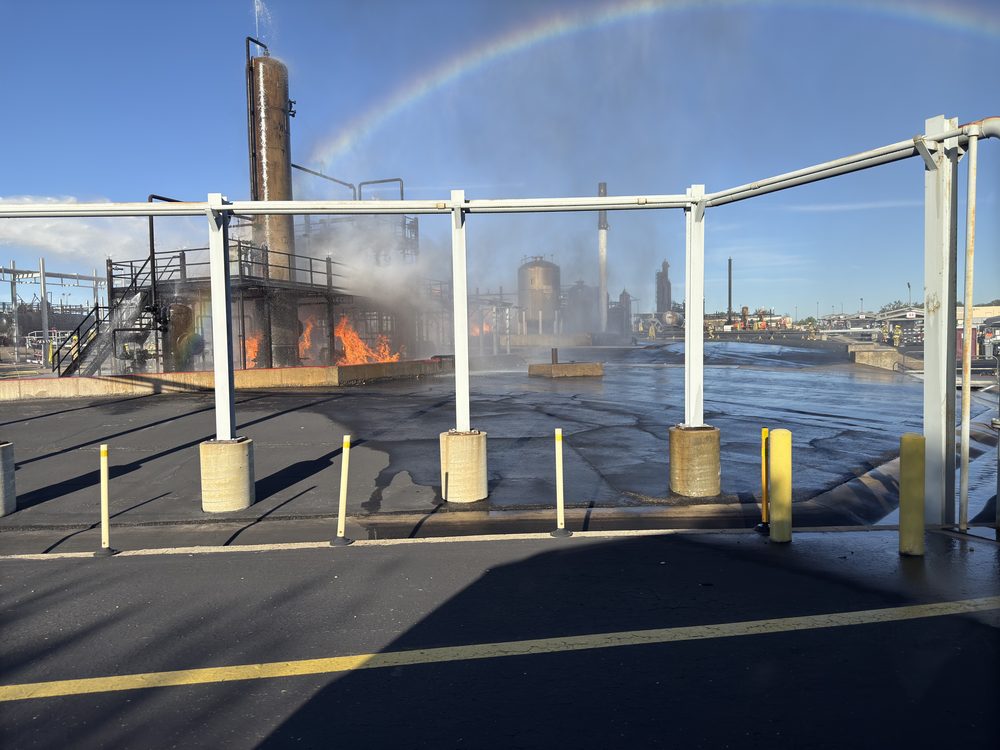
多年前的一場地下停車場火警。
濃煙在封閉的空間裡無處可去。我和搜索組進去找人。
那位學長是我親手找到的,是我把他帶出來的。
後來,我在醫院。看著急救。
那段時間我不想細說。但站在那條走廊上,有一個畫面一直留下來——第一線能做的,和做不到的,中間有一道線。我們做了我們能做的;但有一些事,那個當下,我們沒有辦法做。
幾個小時後,我們搜索組被找去。不是問現場、不是問怎麼倒下的、不是問還有什麼能學的——是要我們一起想一個說詞,給新聞記者用。
那一天我意識到,在這個系統裡,殉職常常先是一個公關問題,才是一個安全問題。
那份感受我放了很多年。
二、我選擇留在外面
那件事之後,我做了一個選擇。
我沒有刻意準備早升。我留在外勤——分隊的隊員,一輪一輪上勤、跑火場、跑救護,直到 2026 年 2 月才升小隊長。
不是沒有路可以走。是那條早升的路,會把我放進那個讓我憤怒的房間。
我喜歡直接幫到人。在派遣下、在患者家裡、在火場入口、在救護車裡——這些地方,我做的事跟收到幫助的人之間,沒有中間人。
這個位置沒有行政權力。但跑久了會發現一件意外的事:在某些事情上,這個位置的份量,比辦公室裡的人還重。
因為國際 EMS 同行不會寫信問副局長有沒有看過火場煙;專業期刊邀稿不會找救護科的承辦人;記者要問現場的時候,要問的也不是科長。
而我在這裡,看得到、跑得到、講得出來。
所以我留下來,從外面開始運作。寫網誌、整理素材、做出可以被看見的成果——把問題的形狀畫清楚、把解決方案放在桌上、把已經走過的路變成可以查的事實。
很多時候,剩下的事情會自己發生。
三、把問題慢慢看清楚
第一線跑久了,眼睛會自己長出來。
火場煙霧不是單一毒物。一氧化碳大家熟,但合成建材——地毯、沙發、PVC、保麗龍——燃燒時都會釋出氰化氫。這不是教科書上的假設,是國際急診和 EMS 早就記載的火場救護員職業風險。問題在於:高濃度氧氣可以處理一氧化碳,但對氰化物無效。如果第一線只有氧氣,遇到複合性中毒,工具就不夠。
我把該查的都查了。AHA 指引、國外 protocol、藥物機轉、副作用、保存、調度、價格、各國 EMS 怎麼放怎麼用。不是因為我是學者,是因為我習慣這樣做事——對的事情要做出來,前提是自己功課要做足,免得一開口就被擋回來。
而 hydroxocobalamin(商品名 Cyanokit),是少數可以在到院前靜脈注射、可以與氰離子直接結合、又有可接受安全性的特效解毒劑。
詳細的藥物比較、AHA 建議與配置邏輯,我另外整理在作品案例頁;這篇文章先把焦點留在「為什麼這件事值得被推動」。
這是國外 EMS 已經在做的事。但台灣不在這條線上。
四、休士頓,2024 年 11 月
2024 年 11 月 19 日到 28 日,新北市消防局派了三個人赴美:副局長、緊急救護科秘書,和我——一個外勤分隊的隊員。
任務是參加德州緊急救護大會,並參訪 Houston Fire Department(HFD)的緊急救護體系。這次出國有正式公文紀錄,列入新北市政府公開出國報告(系統識別號 C114AB007)。
在 Houston,我親眼看到 Cyanokit 是怎麼放、怎麼派、怎麼用的。他們把它放在 EMS 督察車和區指揮官車上——不是放在醫院藥局,是放在會跑去火場的車上。
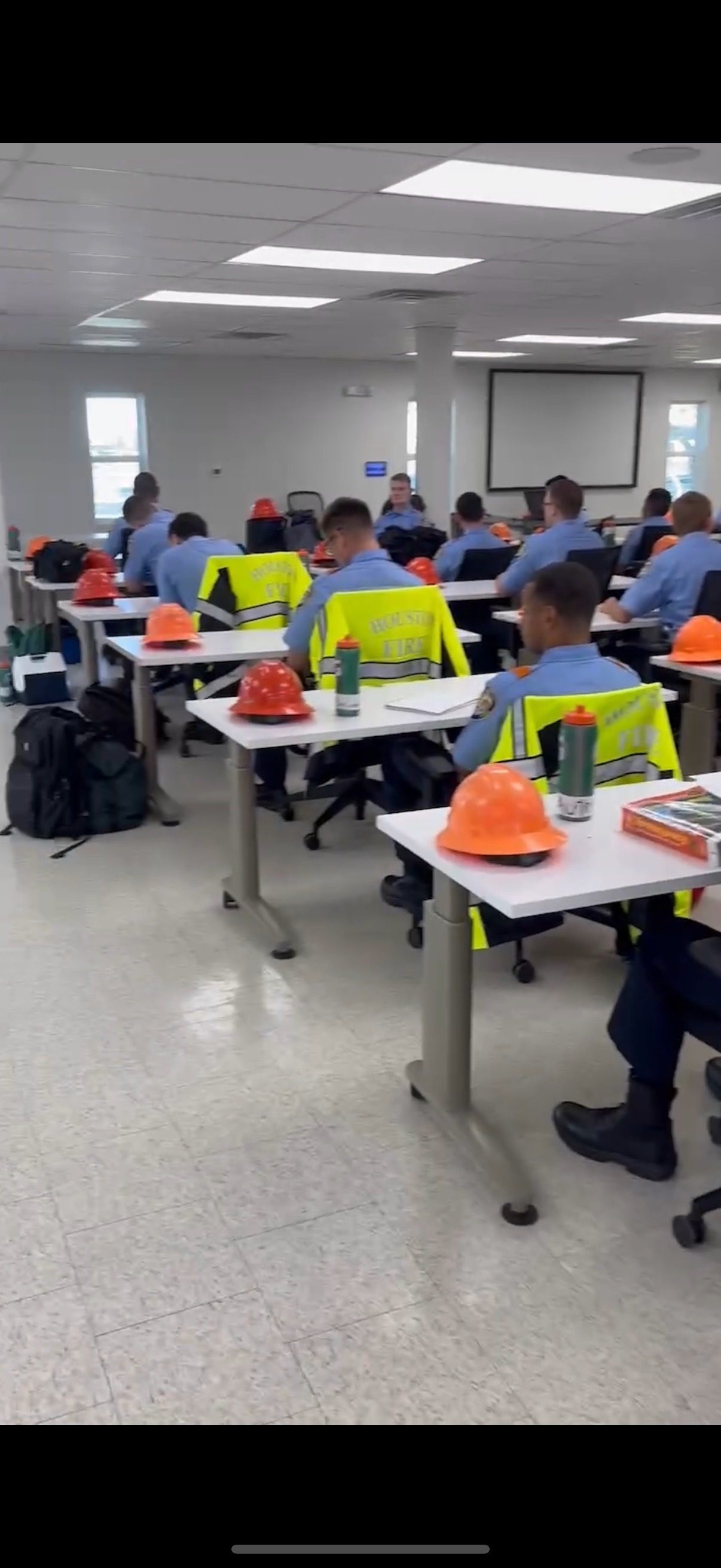
那次參訪我認識了 Chris Souders 醫師。我們聊了很多。
回程的飛機上,那個多年前的問題又回來了。
「如果當時,第一線有這個選項,會不會不一樣?」
醫學上,沒有人能保證地回答這個問題。但這個問題,從那一刻起,變成了一個我必須做點什麼的問題。
五、寫信,給 Chris
回國後幾個月,2025 年 5 月 1 日,我用英文寫了一封信給 Chris Souders 醫師。
那封信裡有一段,是我十多年來第一次用完整的句子,把那一天寫給一個陌生人看:
"years ago, I was directly involved in a tragic line-of-duty incident where a fellow firefighter lost his life. I found him at the scene and did everything I could to save him, but sadly, it was in vain. That moment has stayed with me ever since, and it continues to drive my commitment to improving clinical care and occupational safety in emergency services."
(多年前我親身參與了一場同袍殉職的勤務。是我在現場找到他、盡我所能搶救他,但結果無能為力。那一刻一直留在我心裡,也一直驅動我推動更好的臨床處置與職業安全。)
兩天後,2025 年 5 月 8 日,Chris 回信。附上 Houston 的 Cyanide Treatment Page 和 Hydroxocobalamin Drug Page,也分享了 HFD 曾有消防員在嚴重火場吸入暴露與心跳停止後,經 CPR 與 hydroxocobalamin 處置,最後回到工作崗位的經驗。
「回到工作崗位。」
這句話我反覆讀。
六、不是所有人都同意
那段時間,我還是個外勤隊員。我不在消防局的決策中心。
醫療指導醫師會議的常態出席者,是救護科、醫師、各大隊護理師、大隊救護承辦人——外勤一般不參與,要有提案才會被邀請進去。制度上,外勤是手腳。
跑久了會發現一件事:手腳除了做事,也會思考。想清楚的事,總要有人去做。
我用我的方法,一位一位約、一位一位談。把指引攤開、把休士頓的經驗講過、把火場毒物學的證據鋪在桌上。
結果差不多一半一半。一半認同,一半保留意見。
保留意見的理由我都聽完了。一個是「證據力不夠強」——但火場毒物學裡,沒有任何特效解毒劑做得到雙盲試驗,這在倫理上不可能。另一個是經濟層面——藥價、效益、配置成本。這些都是合理的問題,沒有對錯。
但這條路上,我並不孤單。
有幾位醫師願意對話、願意協助、願意站出來——他們的支持,讓這件事走得下去。
我不是說服每一個人。我是和願意對話的人,把這條路一寸一寸鋪出來。
七、把它做出來
接下來的事比較沒有畫面,但每一步都重要。
對接 AHA 2025 指引、整理國內急診毒物學文獻、做藥物機轉與副作用簡報、進醫諮會說明、寫 EMS newsletter 文稿、整理本局氰化物解毒劑使用流程、做 Demokit 訓練、把 Houston 的部署邏輯翻成台灣可行的版本。
這不是一個人能做完的,也不是一次會議能決定的。
2025 年 9 月 11 日,我又寫了一封信給 Chris:
"our department is set to receive three vials of Hydroxocobalamin this November. This is a pioneering step for EMS in Taiwan."
(我們單位 11 月將取得三瓶 Hydroxocobalamin,是台灣 EMS 的第一步。)
三瓶。要涵蓋新北市 2,052 平方公里、四百多萬人口。我跟 Chris 說,跟休士頓比起來,我們的密度遠遠不夠,請他指點部署策略。
隔天他回信,告訴我休士頓 10 輛督察車 + 21 輛區指揮官車的配置邏輯,以及為什麼放在「一定會到火場」的車上比放在每個分隊更實際。
那封信我列印下來。
八、三瓶藥到位
2025 年 11 月,三瓶 Hydroxocobalamin 抵達新北市。
依照配置策略,放在兩個 TP+ 高階救護單位、一個特搜分隊。這三個位置代表的不是「藥放在這裡」,是「現場最有可能用得到、也最有人會用的位置」。
2026 年春的某次工業火警,派遣中心首次在文字記錄上發出指令:
第一次,「攜帶氰化物解毒劑」這幾個字出現在新北的派遣文字記錄上。
那天的事件最後沒有用上藥。但「派得出來」——這四個字,是過去十一年沒有過的東西。
九、把它寫出來
2025 年 10 月,《台灣緊急醫療救護通訊(TEMS Newsletter)》刊出我的稿:
〈在地創新:別再在火災現場「無能為力」——推動到院前配置 Hydroxocobalamin〉
文章寫了火場煙霧的複合毒性、Cyanokit 機轉、AHA 2025 指引、Houston 經驗,以及台灣目前的進展。
文章中段,我寫下了一句準備了十一年才說出口的話:
「這也喚起我在 2014 年親歷同袍殉職的遺憾——我們必須讓下一次,變成生還的一次。」
這是我第一次在專業刊物上、用具名作者的身份,把那一天和今天連在一起。
十、還沒走完的路
三瓶不是終點。
衛福部毒物管理中心傾向把這類解毒劑放在醫院。從醫療端的角度,這合理——醫院有實驗室、有監測、有 data。
但 AHA 2025 指引的方向很清楚:對生命危急或高度懷疑氰化物中毒者,不應等待檢驗確認,必須依臨床表現、暴露風險與醫療指導及早處置。
時間就是生命這句話,在火場煙霧裡不是修辭。
醫院 vs. 到院前,是醫療界 vs. 緊急救護界長年的張力。我理解醫療界要 data 的立場——這是專業審慎。但救護界看到的是另一面:等到有 data 的時候,那個人可能已經來不及了。
要 data 嗎?我們就用 data 把案例累積起來。每一次正確啟動、每一次正確不啟動、每一次黃金時間內到位,都是 data。
這條路我會繼續走。
十一、為什麼要做這件事
我推動 Cyanokit,不只是因為它符合 AHA 指引、不只是因為國際先進 EMS 已經在用。
更深的原因是:那條走廊我站過。
那種「能做的都做了,但工具不夠」的無力感,我知道是什麼感覺。
我沒辦法用確定的語言說「當年結果會不同」。醫學上沒有人能這樣說。
但我可以做的是:讓下一個站在走廊上的同仁,工具袋裡多一個有根據、有訓練、有調度流程的選項。
讓「無能為力」少一點。
讓「回到工作崗位」這幾個字,有機會在台灣被說出來。
這是我這十一年來,選擇繼續站在第一線、繼續推動的理由。
1. The Day I Carried a Brother Out
Years ago, an underground parking garage fire.
Smoke had nowhere to go in a sealed space. I went in with the search team.
I found him myself. I carried him out.
Later, I stood in the hospital corridor, watching the resuscitation.
I won't go into detail about that period. But standing in that hallway, one image stayed with me — the line between what frontline crews can do, and what they can't. We did what we could. But there were things, in that moment, we simply could not do.
Hours later, the search team was called in. Not to be asked what happened, or how he went down, or what the system could learn. We were called in to help draft a statement for the press.
That was the day I understood that, in this system, a line-of-duty death is often a public relations problem before it is a safety problem.
I carried that for many years.
2. I Chose to Stay on the Outside
After that event, I made a choice.
I did not chase early promotion. I stayed at the outpost — a frontline team member, shift after shift, on fires and on EMS calls. I was only promoted to squad leader in February 2026.
It was not that the promotion path was closed. It was that the promotion path led into the room I had become angry at.
I like helping people directly. On a dispatch, in a patient's home, at the entrance to a fire, in the back of an ambulance — there is no middleman between what I do and the person who receives it.
This position has no administrative authority. But over time, I noticed something unexpected: in certain matters, this position carries more weight than the office.
International EMS peers do not write to the deputy chief asking whether he has seen smoke from a fire. Professional journals do not invite the EMS division clerk. Reporters covering the scene do not ask the section chief.
I am here. I see, I respond, I can speak.
So I stayed, and started working from outside in. Writing notes, organizing materials, producing visible work — making the shape of the problem clear, putting solutions on the table, turning paths already walked into facts that can be checked.
Often, the rest takes care of itself.
3. Seeing the Problem Clearly
If you stay on the line long enough, your eyes adjust.
Smoke from a structure fire is not a single toxin. Carbon monoxide is well known, but synthetic building materials — carpets, sofas, PVC, polystyrene — release hydrogen cyanide when they burn. This is not a textbook hypothesis. It is a documented occupational risk for fire EMS responders worldwide. The problem: high-flow oxygen handles CO, but it does nothing for cyanide. If the frontline only has oxygen, the toolkit is incomplete for inhalational poisoning.
I read what needed to be read. AHA guidelines. International protocols. Mechanism, side effects, storage, dispatch logic, pricing, how various EMS systems deploy it. Not because I'm an academic, but because that is how I operate — to do the right thing, you have to do your homework, or your first sentence gets blocked at the door.
Hydroxocobalamin (brand name Cyanokit) is one of the few cyanide antidotes that can be given prehospital, binds cyanide directly, and has an acceptable safety profile.
For the clinical comparison, AHA guidance, and deployment design, see the case page. This essay stays with the reason the work mattered.
This was already standard in advanced EMS systems abroad. Taiwan was not on that line.
4. Houston, November 2024
From November 19 to 28, 2024, the New Taipei City Fire Department sent three people to the United States: the deputy chief, the EMS division secretary, and me — an outpost team member.
The mission was to attend the Texas EMS Conference and visit the Houston Fire Department (HFD). The trip is documented in the New Taipei City Government's public overseas mission report (system ID C114AB007).
In Houston, I saw with my own eyes how Cyanokit is stored, dispatched, and used. They keep it on EMS Supervisor vehicles and District Chief vehicles — not in a hospital pharmacy, but on the units that actually drive to fires.
It was on this trip that I met Dr. Chris Souders. We talked at length.
On the flight home, the question from many years earlier came back.
"If we'd had this option then, would things have been different?"
Medically, no one can answer that with certainty. But from that moment, the question became a charge: I had to do something with it.
5. Writing to Chris
A few months after returning home, on May 1, 2025, I wrote to Dr. Souders in English.
One paragraph in that letter was the first time, in over a decade, that I wrote that day out in complete sentences for someone who hadn't been there:
"years ago, I was directly involved in a tragic line-of-duty incident where a fellow firefighter lost his life. I found him at the scene and did everything I could to save him, but sadly, it was in vain. That moment has stayed with me ever since, and it continues to drive my commitment to improving clinical care and occupational safety in emergency services."
Two days later, on May 8, 2025, Chris replied. He attached Houston's Cyanide Treatment Page and Hydroxocobalamin Drug Page, and described HFD experience with firefighters who suffered severe fire-smoke exposure and cardiac arrest, received CPR and hydroxocobalamin, and ultimately returned to work.
"Returned to work."
I read that line many times.
6. Not Everyone Agreed
Through this whole period, I was still an outpost team member. I was not in the decision room.
Medical director meetings are typically attended by EMS division staff, designated physicians, brigade nurses, and EMS coordinators. Frontline crews don't usually sit at that table — you need a proposal to be invited in. By design, the frontline are the hands and feet.
But over time you learn: hands and feet think too. And the things that need to be done still need someone to do them.
I used the methods I had. I met designated physicians one by one. I laid out the guidelines. I described what Houston was doing. I put the fire toxicology evidence on the table.
The result was roughly half and half. Half supportive, half reserved.
The reservations were reasonable. One was "the evidence is not strong enough" — but in fire toxicology, no specific antidote can be tested in a double-blind trial; that is ethically impossible. The other was economic — drug cost, cost-effectiveness, deployment overhead. These are fair questions.
But I was not alone on this road.
A few physicians were willing to talk, willing to help, willing to stand with the proposal. Their support kept the work moving.
I was not trying to convince everyone. I was working with the people willing to engage, paving the road one stretch at a time.
7. Doing the Work
What followed was less photogenic, but each step mattered.
Mapping AHA 2025 guidance to local practice. Compiling domestic emergency toxicology literature. Building slides on mechanism and side effects. Presenting to the medical advisory committee. Writing for the EMS newsletter. Drafting an internal cyanide antidote protocol. Running Demokit training. Translating Houston's deployment logic into a configuration that could work in our context.
Not the work of one person. Not the decision of one meeting.
On September 11, 2025, I wrote to Chris again:
"our department is set to receive three vials of Hydroxocobalamin this November. This is a pioneering step for EMS in Taiwan."
Three vials, for a city of 2,052 square kilometers and over four million people. I told Chris that compared to Houston, our density was nowhere close, and asked for his guidance on deployment strategy.
He wrote back the next day, explaining Houston's logic of 10 EMS Supervisor vehicles plus 21 District Chief vehicles, and why placing it on units that "always go to the fire" works better than spreading it across every station.
I printed that letter.
8. Three Vials, In Place
In November 2025, the three vials of Hydroxocobalamin arrived in New Taipei.
Following the deployment plan, they went onto two TP+ advanced life support units and one urban search and rescue team. Those three locations were not chosen because the drug "lives there." They were chosen because they are where the drug is most likely to actually be used by people trained to use it.
In spring 2026, during an industrial fire response, the dispatch center for the first time issued the order in writing:
For the first time, the words "carry cyanide antidote" appeared in writing in a New Taipei dispatch log.
The drug was not administered in this case. But the words "we can dispatch it" — for eleven years, that was something we did not have.
9. Putting It in Print
In October 2025, the Taiwan Emergency Medical Services Newsletter published my article: "Local Innovation: No Longer Powerless at the Fire Scene — Bringing Hydroxocobalamin to Prehospital Care."
The article covered the mixed toxicity of fire smoke, the mechanism of Cyanokit, the AHA 2025 guideline, the Houston experience, and where Taiwan stood.
Midway through, I wrote a sentence I had been carrying for eleven years:
"This also brings back the regret I have carried since 2014, from a colleague's line-of-duty death — we have to make sure the next time becomes a survival, not a loss."
It was the first time I had connected that day to today, in a professional publication, under my name.
10. Road Not Yet Walked
Three vials is not the end.
The Ministry of Health and Welfare's toxicology unit prefers to keep these antidotes in hospitals. From a clinical standpoint that's reasonable — hospitals have laboratories, monitoring, and data.
But the AHA 2025 guideline direction is clear: for life-threatening or highly suspected cyanide poisoning, do not wait for laboratory confirmation. Treat early based on clinical findings, exposure risk, and medical direction.
"Time is life" is not rhetoric in fire smoke.
Hospital versus prehospital is a long-standing tension between medicine and EMS. I understand the medical side's call for data — that is professional caution. But EMS sees the other side: by the time the data comes in, the person may already be gone.
If they want data, we will accumulate data. Every correct activation, every correct non-activation, every dose delivered within the golden window — all of it is data.
I will keep walking this road.
11. Why I Keep Doing This
I push for Cyanokit not only because it aligns with AHA guidance, and not only because advanced EMS systems are already using it.
The deeper reason: I have stood in that corridor.
That feeling — "we did everything we could, but we didn't have the tool" — I know what it is.
I cannot say with medical certainty that things would have been different back then. No one can.
But I can do this: give the next colleague standing in that corridor one more option in the kit — one with evidence behind it, training under it, and a dispatch process around it.
To make "powerless" a little smaller.
To give "returned to work" a chance to be said in Taiwan.
That is why, for these eleven years, I have stayed on the line.