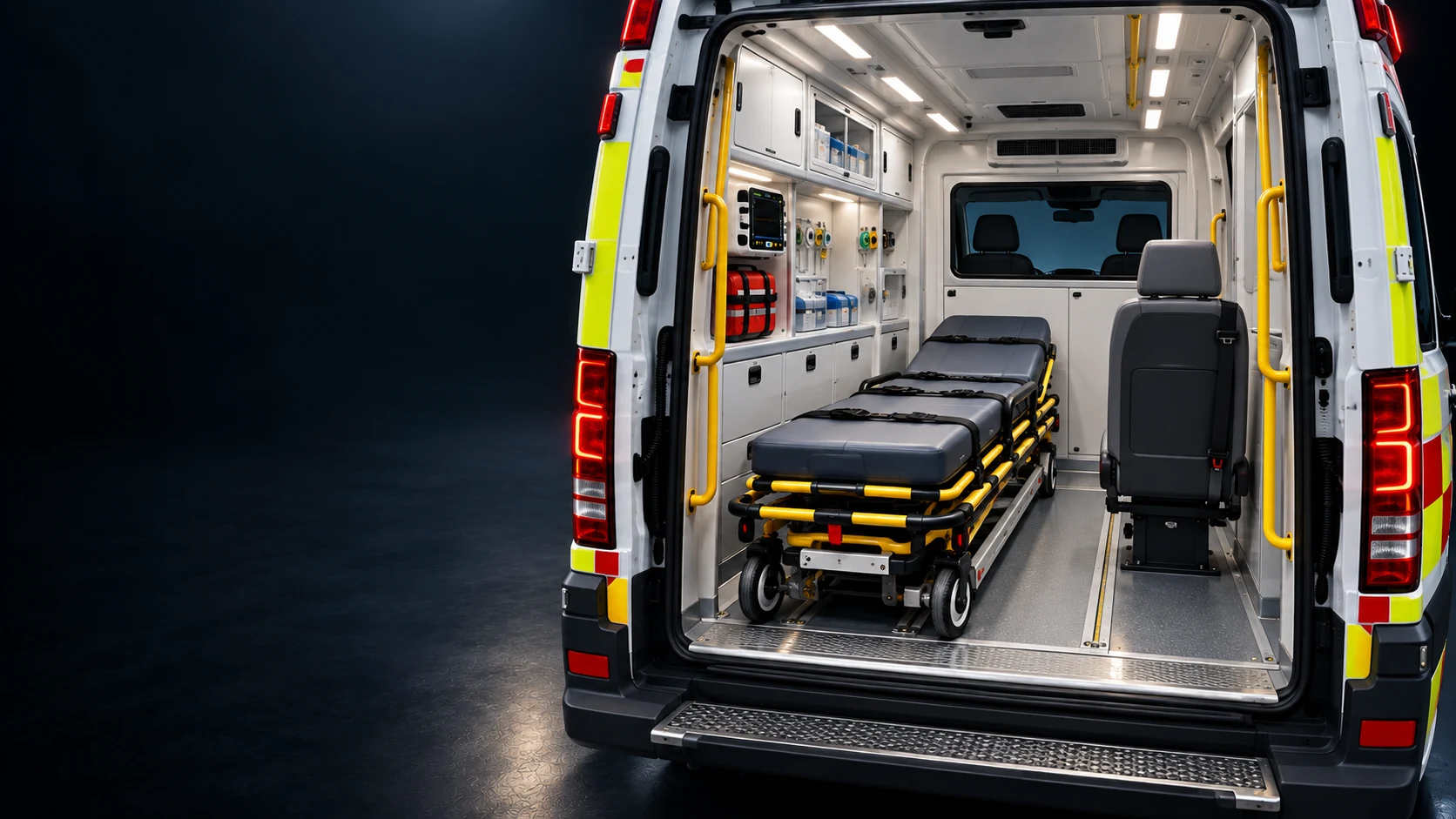
01 / WORKSPACE
A workplace
in motion.
How can crews reach a patient and their equipment while staying protected in a moving ambulance?
- Care tasks
- Crew protection
- Equipment restraint
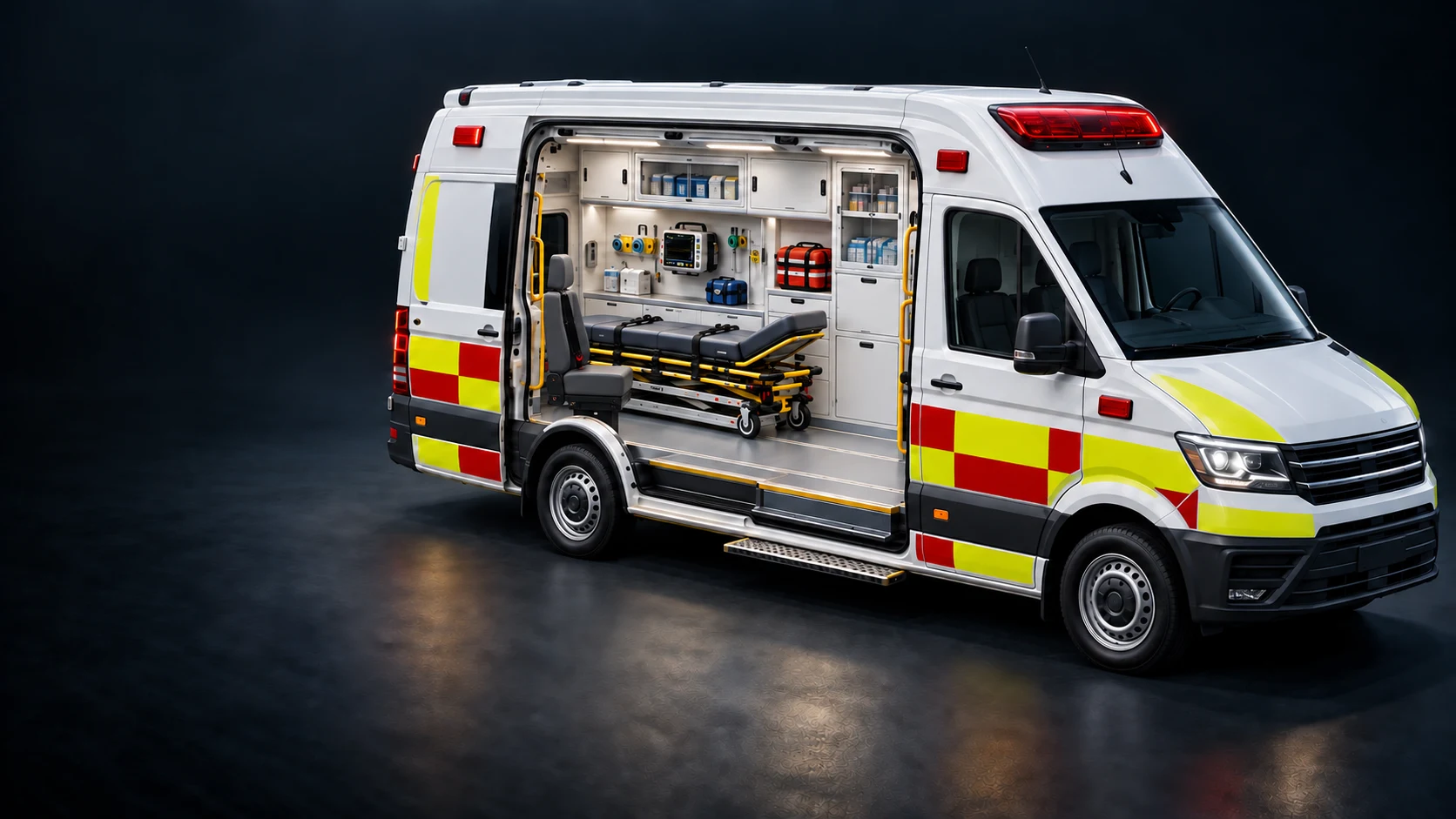
Chung Chia Chang · Taiwan
EMS SAFETY / HUMAN FACTORS
One ambulance. Six questions about how crews work, learn and stay safe.
01 / WORKSPACE
How can crews reach a patient and their equipment while staying protected in a moving ambulance?
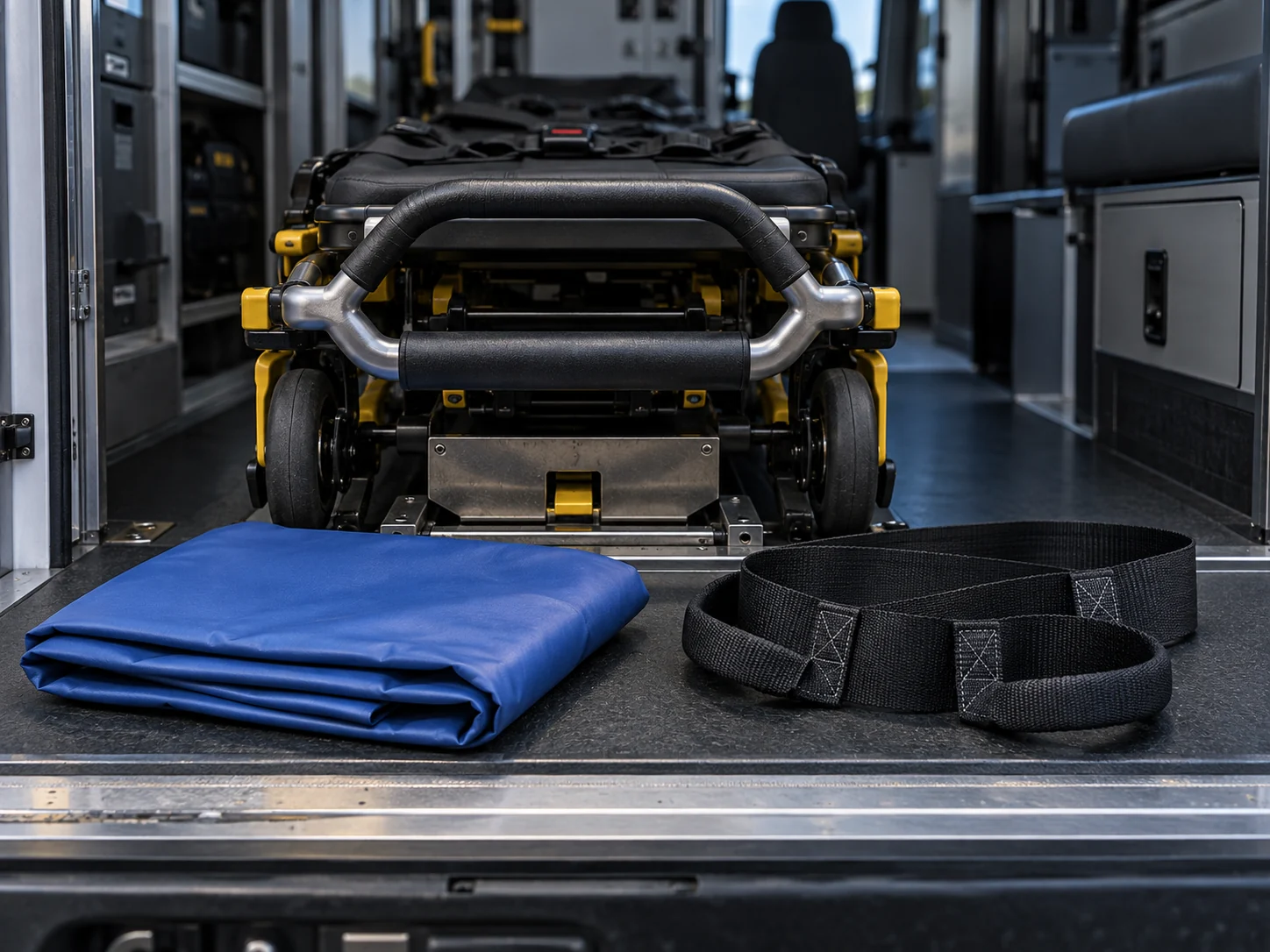
02 / HANDLING
I teach with the Back Protection Project team, covering handling aids, loading tasks and crew coordination.
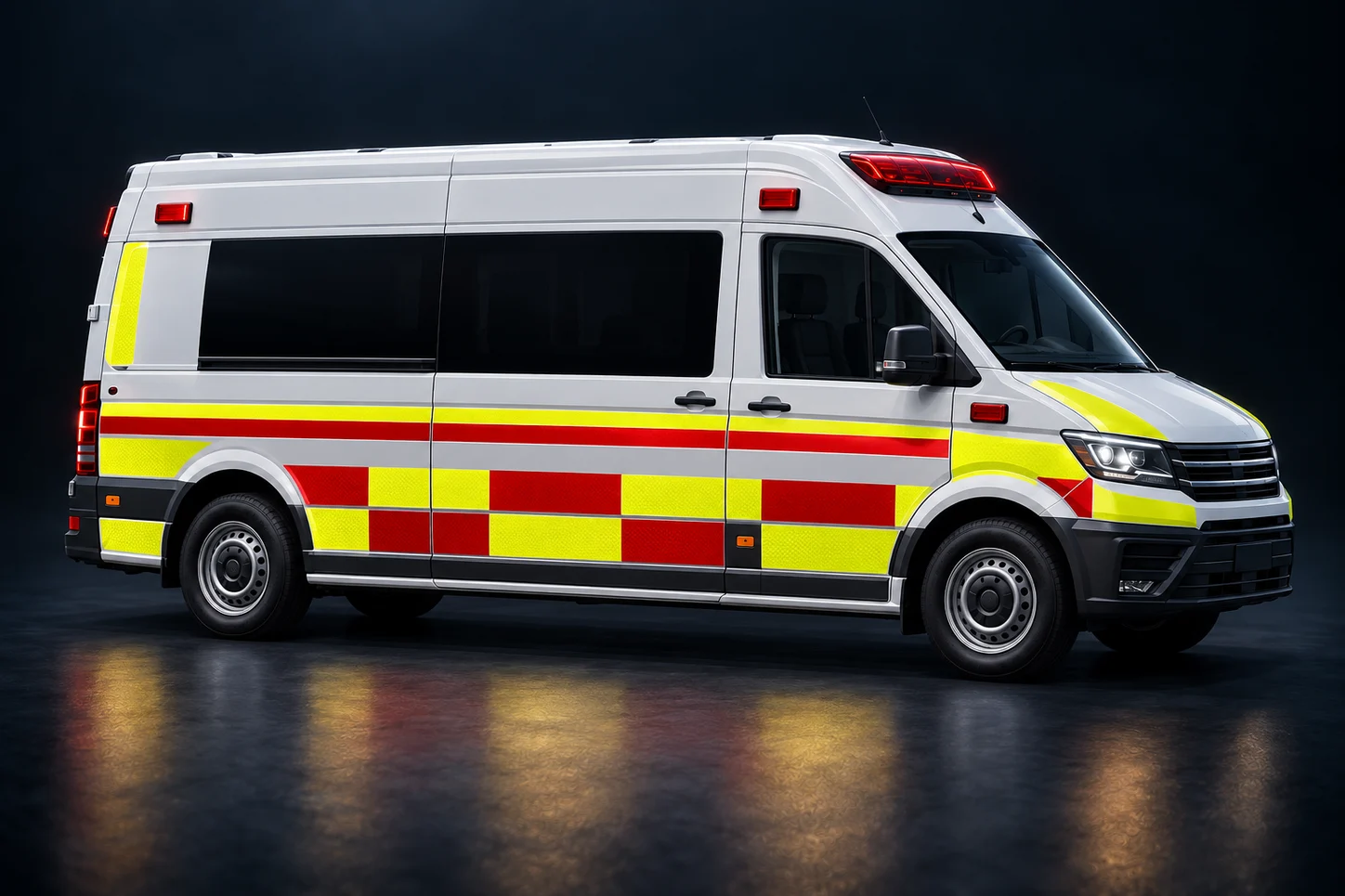
03 / VISIBILITY
From night-time visibility concerns to Battenburg marking proposals and vehicle trials with colleagues.
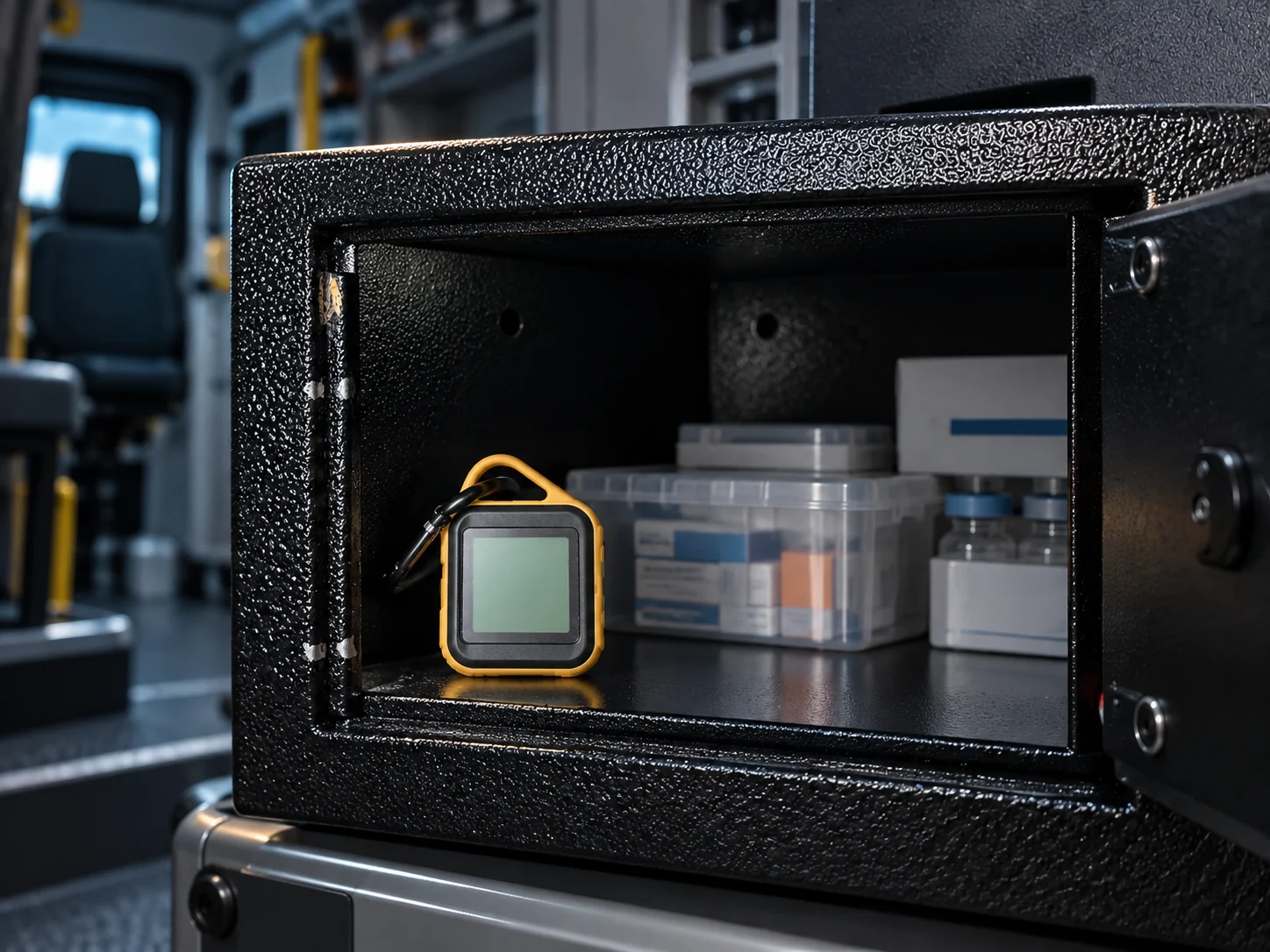
04 / MEDICATION
Seven days of temperature measurements inside one ambulance drug safe, with the observations and limits reported.
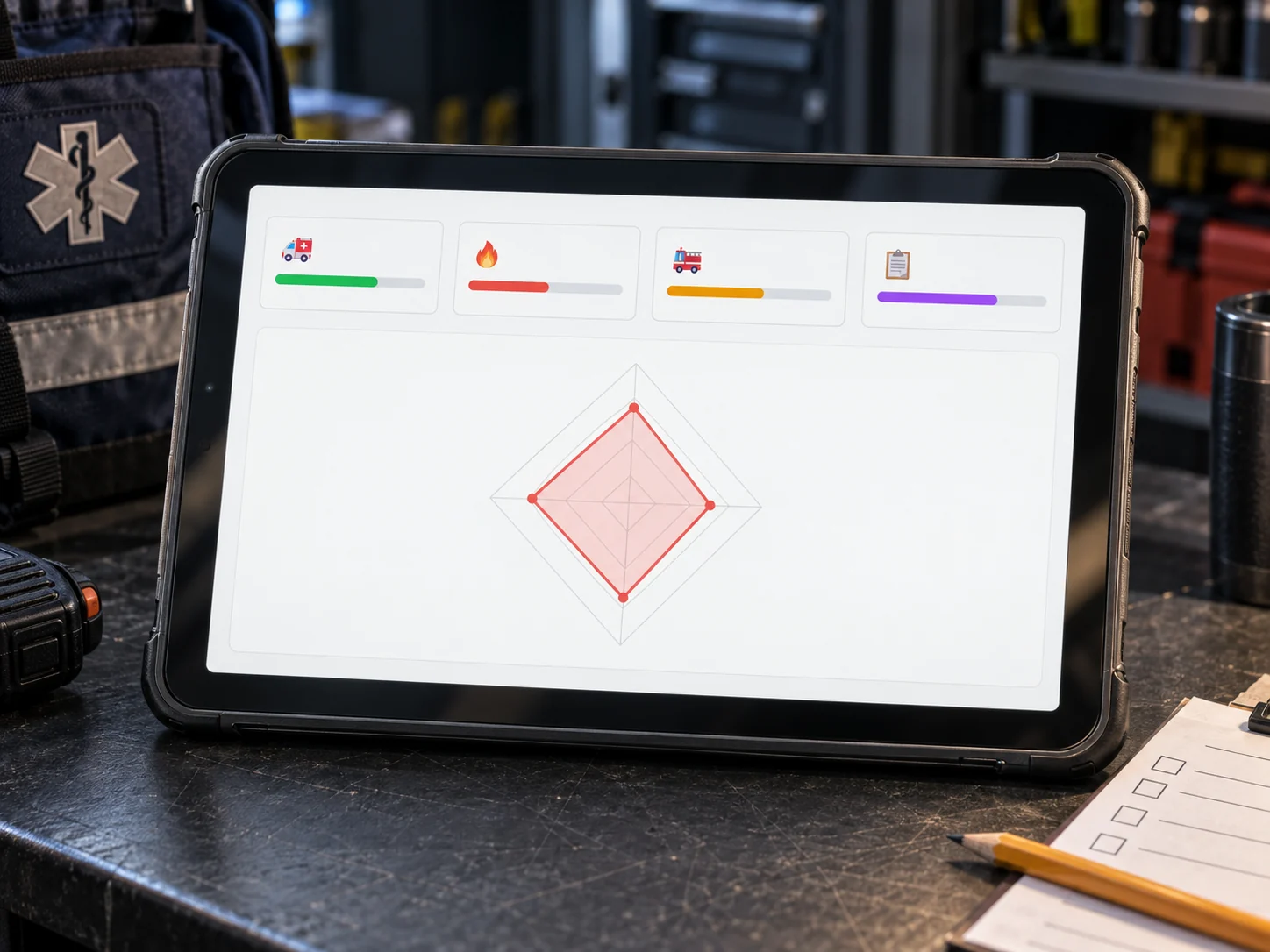
05 / TRAINING
What has a trainee practised, and what still needs work? Records help mentors hand over and review progress.
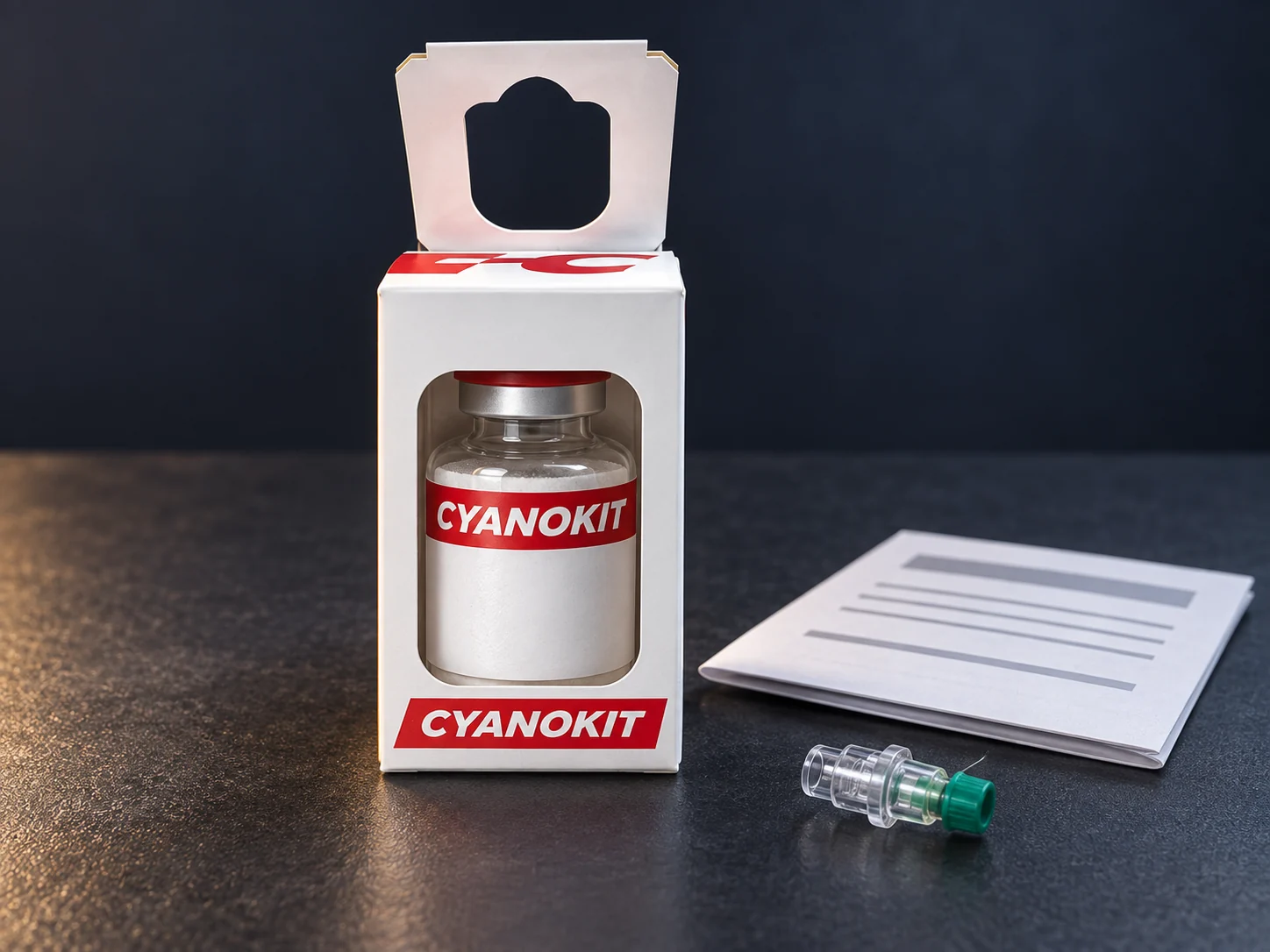
06 / WORKFLOWS
Working with the team on where to keep the antidote, how to dispatch it and how to train crews.
01 / SELECTED WORK

01 Patient Handling
I help teach field scenarios, handling aids and crew coordination as part of the Back Protection Project team.
02 Ambulance Safety
From road visibility concerns to evidence review, Battenburg marking proposals and vehicle trials with colleagues.

03 Clinical Implementation
I contribute research and overseas experience to the team’s discussions about antidote placement, protocols and training.
Four trainees at one station produced 797 records over 67 days. The case describes what we learned and why use stopped after the coordinator moved.
Seven days of measured storage temperature inside one long-term outdoor-parked ambulance's drug safe: peak 41.4°C, above the 25°C observation threshold 91.1% of the time.
Ambulance patient compartment as a mobile EMS workplace.
The complete collection is on the Chinese site: cases and writing.
We can start with a task your crew finds difficult: moving a patient, working in the ambulance or deciding whether a trainee is ready for independent duty.
For fire, EMS, healthcare, and long-term-care teams facing back injuries from handling, compartment work, equipment and patient securing, training gaps, or high-load care workflows.
For teams reviewing competency criteria, mentor handovers, field checklists and readiness for independent duty.
I help describe how crews use ambulance compartments, handling equipment and prehospital devices, including where a proposed design may be difficult to use on duty.
I contribute descriptions of field tasks, user needs, likely difficulties and ways to assess a proposed change. Technical partners remain responsible for their technology, regulatory compliance, and maintenance. Project roles and resources should be agreed together. I do not provide procurement endorsements or represent my employing agency.
National Fire Agency recognition for EMS service and individual achievement.
Award record ↗My background in firefighting, EMS education and occupational safety research.
I am a frontline firefighter and EMS instructor in Taiwan. I focus on how crews learn and work under the pressures of shifts, patient care and limited resources.
I draw on field experience and research to develop teaching materials, handling workflows and competency assessment tools. Ambulance compartments are a particular interest: crews must provide care while protecting themselves in a moving workspace.
I distinguish carefully between personal observations, formal research, completed work, and ideas still being explored. Nothing here constitutes an endorsement of any vendor or product.
Get in touch to discuss patient handling, ambulance safety, crew training or how equipment is used on duty.